ADHD in Women Doesn’t Always Look Like What You Think
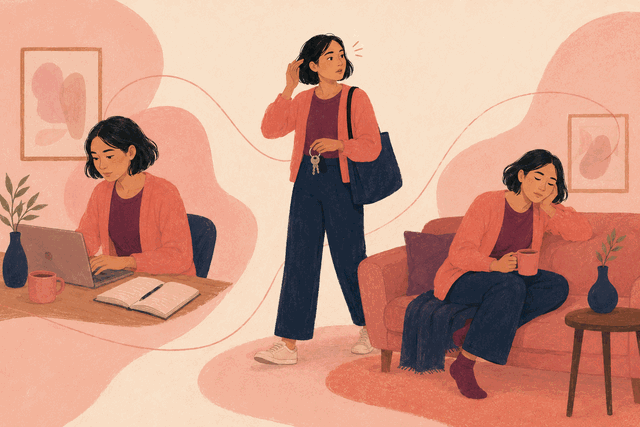
When you picture ADHD, you might think of someone who can’t sit still, constantly interrupts, or has endless energy.
But for a lot of women, it can look much quieter than that.
It might look like rereading the same email five times because nothing is sinking in. Starting three different tasks and somehow finishing none of them. Feeling completely overwhelmed by something that seems simple for everyone else.
It can also look like working really hard to appear organized, calm, and on top of things, while privately feeling like you’re barely keeping up.
ADHD in women and the mental load
For women who are also parenting, caregiving, managing a household, or carrying a lot at work, ADHD can become especially exhausting.
You might remember everyone else’s appointments but forget to book your own. You might spend the entire day doing things, yet still feel like nothing actually got done. Maybe you’re constantly thinking about groceries, school forms, birthdays, emails, laundry, deadlines, and what everyone needs from you.
Even when you’re resting, your brain might still be running through the list.
Other signs can include:
- Putting off small tasks until they feel huge
- Losing your phone while it’s in your hand
- Forgetting what you were saying halfway through a sentence
- Struggling to switch from one task to another
- Hyperfocusing on something interesting while everything else disappears
- Needing last-minute pressure to finally get started
- Feeling restless, even if you don’t look hyperactive
- Becoming overwhelmed by noise, clutter, interruptions, or too many decisions
- Feeling emotions quickly and intensely
- Taking criticism or perceived rejection especially hard
- Holding it together all day, then feeling completely drained or irritable at home
When “trying harder” isn’t working
Many women spend years believing they’re lazy, forgetful, too sensitive, or just bad at managing life. They create reminders for their reminders, rely on panic to get things done, or push themselves until they’re burnt out.
From the outside, they might seem like they’re doing fine. Inside, everything can feel loud, scattered, and exhausting.
Because ADHD isn’t always obvious, it can be missed or mistaken for anxiety, stress, depression, or a lack of motivation. Some women don’t begin questioning it until adulthood, when work, relationships, parenting, or everyday responsibilities become harder to hold together. Living without that context for years can affect emotional wellbeing, relationships, and your overall sense of control.
A few places to start
You don’t need to overhaul your entire life or find the perfect planner. CBT and other practical supports can also help with work-related challenges like time management and productivity.
Start by getting things out of your head. Use one visible calendar, write down the three things that actually need to happen today, and set reminders before you think you’ll need them.
Try making tasks easier to begin. Put the laundry basket where the clothes usually land. Keep important items where you can see them. Break “clean the kitchen” into one small starting point, like loading five dishes.
And when you’re overwhelmed, pause before telling yourself to try harder. Sometimes the problem isn’t effort. You might need fewer steps, less noise, a break, more support, or a different way of doing the task.
You’re not failing at something everyone else understands
Understanding ADHD isn’t about finding an excuse. It’s about finally having context.
Maybe you’re not careless. Maybe your brain needs different systems. Maybe you’re not “too much.” Maybe you’ve just spent a long time trying to function in ways that don’t work for you.
If these experiences feel familiar, speaking with a qualified healthcare professional can help you explore what’s going on. ADHD isn’t the only reason someone might struggle with attention, organization, overwhelm, or emotions, but you deserve support either way.
Sometimes, having language for what you’re experiencing is the first step toward being a little kinder to yourself. If you’d like support making sense of it all, you can learn more about therapy at You First, read about what therapy can look like, or get in touch when you’re ready.